
Teeth whitening is one of the most popular cosmetic dental treatments today.
With the growing awareness of the importance of a beautiful smile, many patients seek effective solutions to restore the natural brightness of their teeth.
This guide provides a comprehensive overview of indications, methods, expected results, contraindications, and pre- and post-treatment care tips.
Indications for Teeth Whitening
Teeth whitening is suitable for patients who have:
- Discolorations from food and beverages: Coffee, tea, red wine, and sodas can stain the teeth over time.
- Smoker’s stains: Nicotine and tar from cigarettes leave dark deposits on the teeth.
- Age-related discoloration: Natural enamel wear and dentin exposure cause teeth to darken with age.
- Medication-induced staining: Antibiotics like tetracycline can cause permanent discoloration.
- Genetically darker teeth: Some individuals naturally have darker shades of enamel.
Teeth whitening is not recommended for patients with:
- Severe tooth sensitivity
- Gum disease
- Pregnant or breastfeeding women
- Crowns, bridges, or composite fillings on front teeth (which do not respond to whitening)
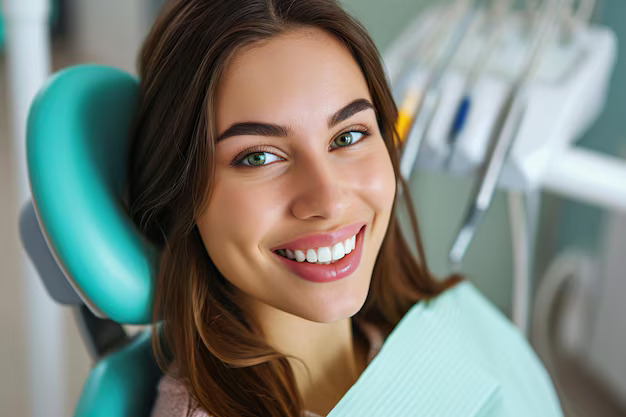
Teeth Whitening Methods
There are two main methods for teeth whitening: in-office whitening and at-home whitening.
In-Office Teeth Whitening
Performed by a dentist in a controlled, safe environment.
Procedure:
- Preparation: Professional cleaning to remove plaque and tartar.
- Gum protection: A protective gel or barrier is applied to safeguard the gums.
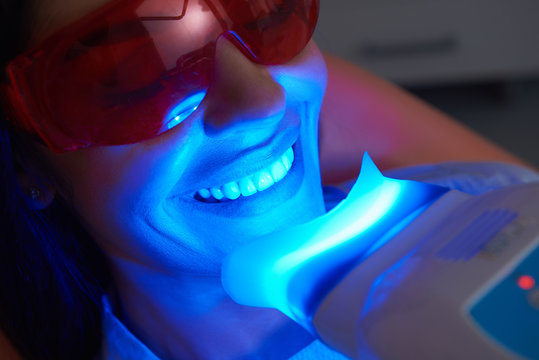
- Application of whitening gel: A hydrogen peroxide or carbamide peroxide gel is applied to the teeth.
- Activation: Light or laser activation speeds up the whitening process.
- Duration: The session lasts 45–60 minutes, and results are immediately visible.
- Advantages: Quick and precise results
- Professional monitoring minimizes gum irritation and tooth sensitivity.
At-Home Teeth Whitening
At-home whitening offers a convenient option for patients preferring treatment in the comfort of their own home.
Procedure:
- Custom trays: Personalized trays are fabricated for perfect fit.
- Whitening gel: A lower-concentration peroxide gel is applied in the trays, worn for several hours a day or overnight.
- Duration: Treatment typically takes 1–2 weeks, depending on the desired shade.
- Advantages: Greater control over the whitening process
- Requires discipline and consistency for best results.

Effects and Results of Teeth Whitening
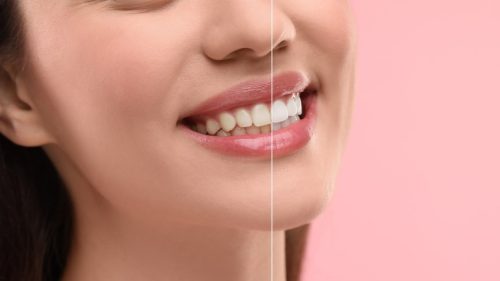
Teeth can be brightened by 2 to 8 shades, depending on the method used and the initial color of the teeth.
In-office whitening delivers immediate results, while at-home whitening progresses more gradually.
Longevity of results:
Proper oral hygiene and avoiding staining foods, drinks, and smoking can extend the whitening effects for several years.
Contraindications for Teeth Whitening
Teeth whitening is not recommended in the following cases:
- Presence of crowns, bridges, or fillings on front teeth (as these materials do not whiten)
- Pregnancy and breastfeeding (due to lack of safety studies)
- Severe tooth sensitivity (whitening may worsen it)
- Gum disease (periodontitis, gingivitis — must be treated first)
- Enamel damage (cracks, thinning) that increases the risk of irritation
Aftercare Tips for Teeth Whitening
- Regular dental check-ups: Maintain results with professional cleanings and exams.
- First 24 hours are crucial: Avoid colored foods and beverages (coffee, tea, red wine, tomato sauce).
- Oral hygiene: Use non-abrasive toothpaste and floss daily.
- Avoid smoking: Nicotine can quickly reverse whitening effects.
- Use a straw: When drinking dark-colored beverages, use a straw to minimize contact with the teeth.
Teeth Whitening — Safe, Effective, and Long-Lasting
Teeth whitening is a safe and highly effective way to achieve a brighter smile when performed under professional supervision.
A dental consultation is essential to determine the best whitening method, maximize results, and minimize potential side effects.
With proper care, your smile can stay radiant and dazzling for years!



 Dr Pantazis | Dental & Beauty Clinic Belgrade