
As we age, our skin naturally loses volume, elasticity, and moisture, leading to the appearance of wrinkles, sagging, and loss of facial definition.
Dermal fillers offer one of the most effective, non-invasive, and quick solutions to restore a youthful, refreshed appearance.
In this guide, you’ll learn everything about dermal fillers: their benefits, applications, treatment areas, effects, indications, types of fillers, and how long results last.

What Are Dermal Fillers?
Dermal fillers are gel-like substances based on hyaluronic acid or other biocompatible materials, injected into the skin to smooth wrinkles, restore volume, and contour facial features.
Hyaluronic acid, the primary ingredient in most fillers, naturally occurs in our skin and has the unique ability to bind water, providing deep hydration and fullness.
Benefits of Dermal Fillers:
- Immediate results with little to no downtime.
- Restoration of facial volume and wrinkle reduction.
- Improved skin texture, hydration, and radiance.
- Contouring and defining areas such as the cheeks and lips.
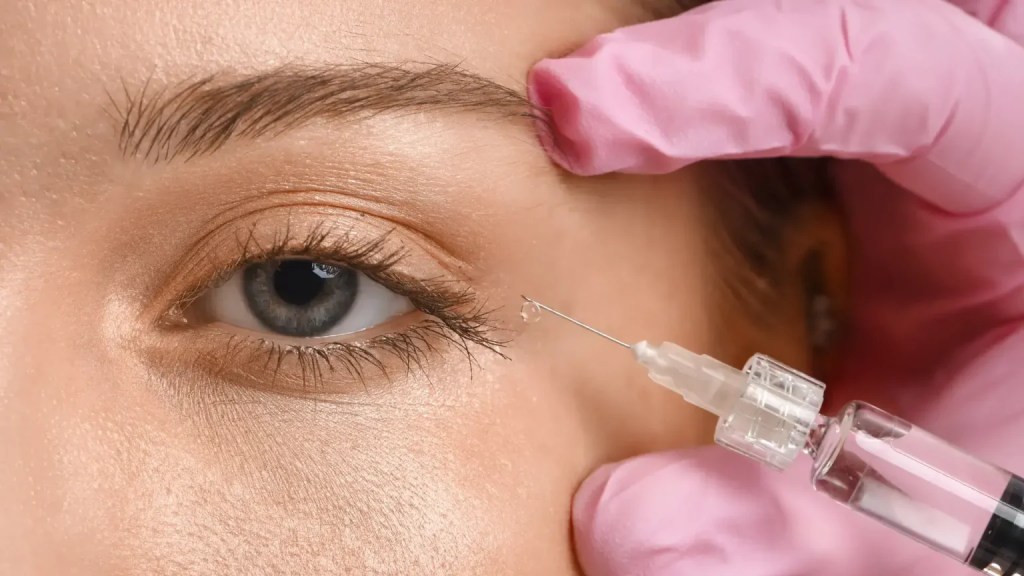
Uses and Applications of Dermal Fillers
Dermal fillers offer a wide range of aesthetic improvements, including:
- Enhancing skin hydration and tone
- Rejuvenating the face by filling wrinkles and restoring youthful volume
- Contouring facial features such as the cheekbones, jawline, and chin
- Enhancing volume in thin lips and sunken cheeks
- Balancing facial proportions and correcting asymmetries

Common Areas Treated with Dermal Fillers
Dermal fillers are highly versatile and can target multiple areas of the face, including:
- Forehead: Filling deep lines and smoothing irregularities
- Nasolabial folds: Lines running from the nose to the mouth corners
- Marionette lines: Lines extending from the mouth corners to the chin
- Cheeks: Adding volume and enhancing cheekbone definition
- Lips: Enhancing volume, contour, and hydration
- Under-eye area (tear trough): Reducing hollowness and signs of fatigue
- Jawline: Defining and sculpting the lower face contour
- Chin: Reshaping and adding volume for better facial harmony
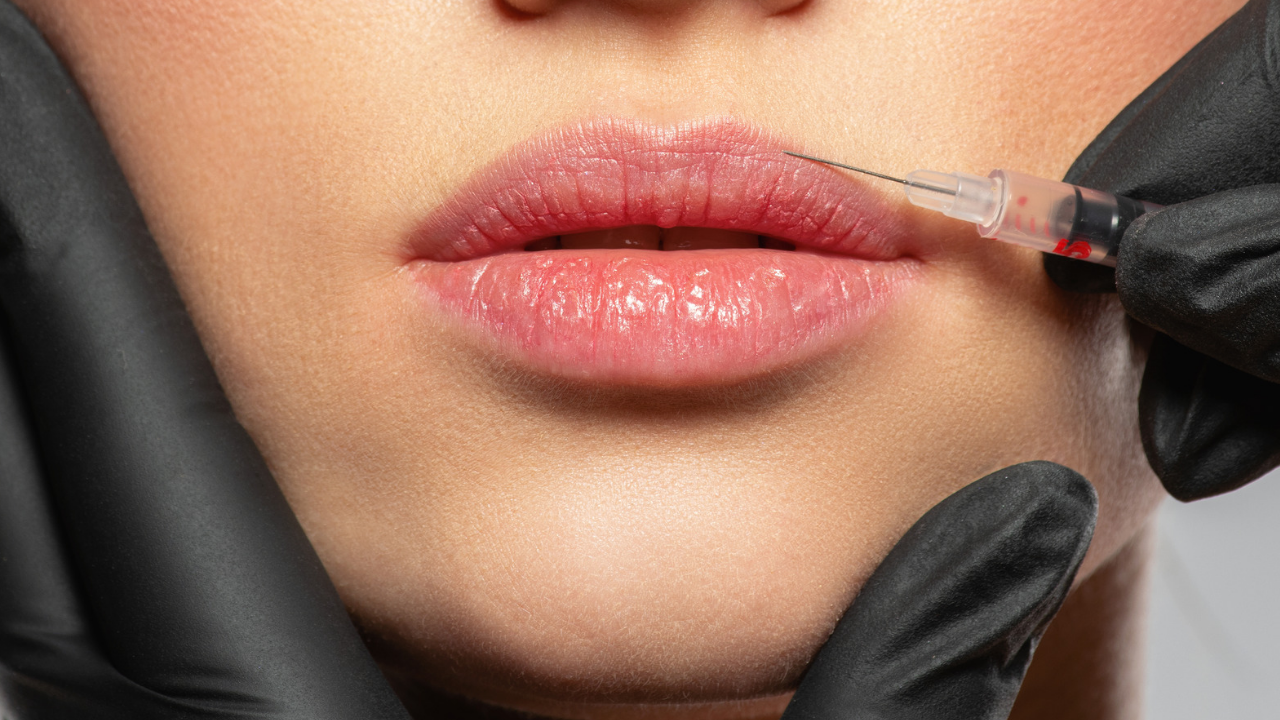
Indications for Hyaluronic Acid Fillers
Dermal fillers are recommended for a variety of concerns, including:
- Wrinkles and fine lines: Filling nasolabial folds, marionette lines, and forehead wrinkles
- Volume loss: Restoring fullness to cheeks, lips, and hands
- Skin hydration: Improving texture and elasticity
- Facial asymmetry: Correcting imbalances in proportions
- Tired appearance: Reducing under-eye shadows and restoring a refreshed look
- Dermal fillers are also used preventively to slow down visible signs of aging.

How Dermal Fillers Work
Dermal fillers work by replenishing lost volume and smoothing wrinkles and folds.
Hyaluronic acid in the filler attracts and binds water, enhancing hydration and rejuvenating the treated areas.
When Will You See Results?
Results are typically visible immediately after the treatment, but the final effect becomes fully noticeable once the filler settles, usually within 1–2 weeks.
How Long Do Results Last?
The longevity of results depends on the type of filler used, the treated area, and the patient’s metabolism.
On average, dermal filler results last between 6 and 18 months.

Dermal Filler Treatment Process
The dermal filler procedure is quick and straightforward:
Consultation:
A detailed consultation with the doctor will assess your goals and determine the best filler type and application technique.
Preparation:
The skin is thoroughly cleansed, and a topical anesthetic may be applied to ensure comfort during the procedure.
Application:
The filler is injected into the targeted areas using fine needles or cannulas.
The entire procedure typically takes between 20 and 40 minutes, depending on the number of areas treated.
Post-Treatment:
A soothing cream or a cold compress may be applied to minimize redness and swelling.
Most patients resume their normal activities immediately after the treatment.





 Dr Pantazis | Dental & Beauty Clinic Belgrade